


Russia has publicly contradicted claims made by former US President Donald Trump that India has agreed to stop purchasing Russian oil, adding fresh uncertainty to ongoing discussions surrounding India–US trade and energy relations.
The statement from Moscow follows remarks by Trump suggesting that India, in exchange for tariff relief and a broader trade understanding with Washington, would significantly increase purchases of American goods while halting crude oil imports from Russia. Russian officials, however, said no such assurance had been given by New Delhi.
Russia: “No Indication from India”
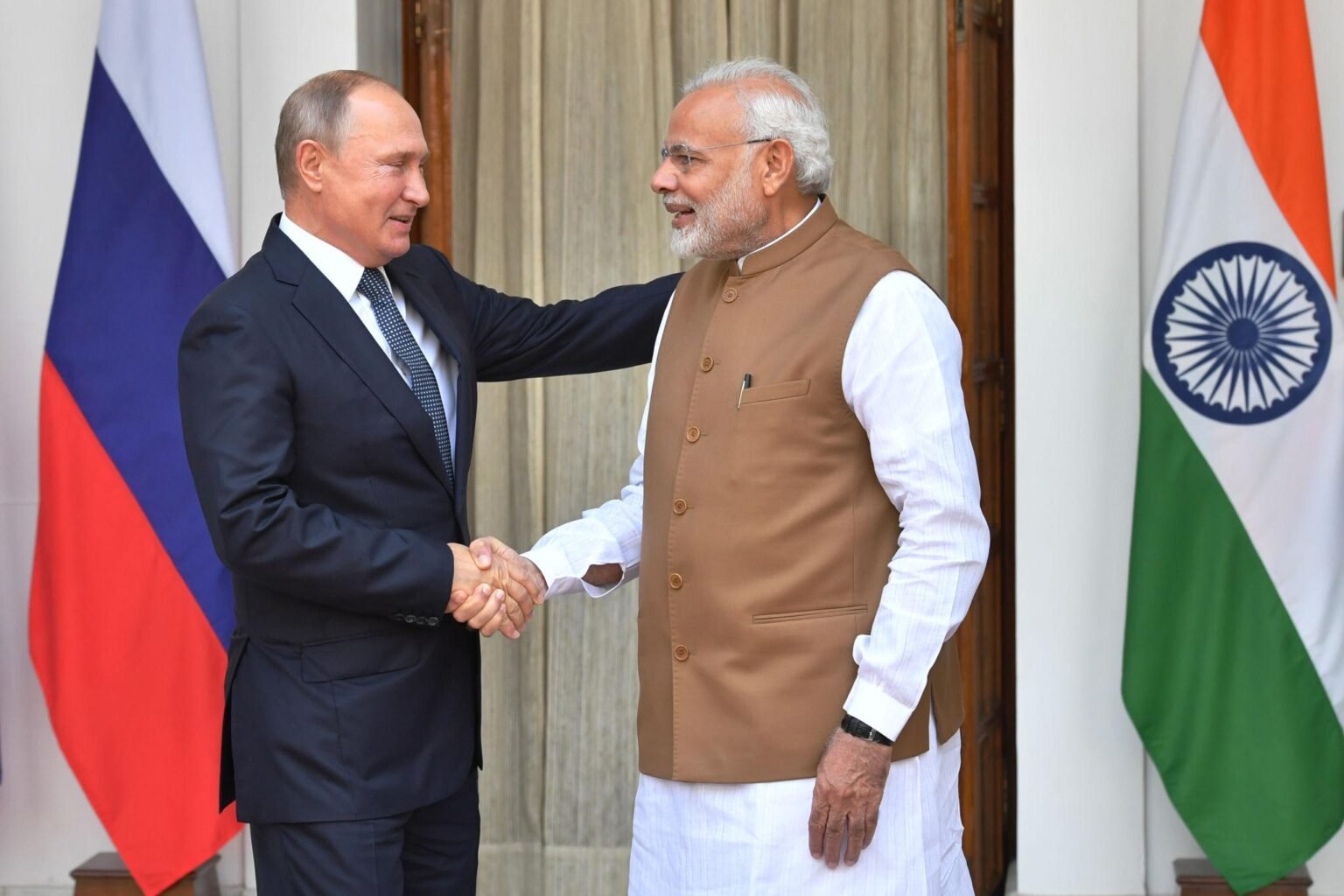
Russian officials indicated that India has not communicated any intention to discontinue Russian oil purchases. According to Moscow, India’s energy policy remains unchanged and continues to prioritise supply stability and economic considerations.
India currently sources a substantial share of its crude oil from Russia, a relationship that has deepened since 2022 amid discounted pricing and long-term supply arrangements.
India Reiterates Diversification, Not Disengagement
Indian officials have avoided direct confrontation but have reiterated a long-standing policy position. Commerce Minister Piyush Goyal has previously stated that India seeks to diversify its energy imports to avoid over-dependence on any single supplier.
Officials emphasise that diversification does not imply abandoning existing suppliers, including Russia. The policy, according to Indian authorities, has been in place since at least 2023 and reflects broader energy security goals rather than geopolitical alignment.
Conflicting Signals from Washington
Confusion has been compounded by mixed messaging from the White House. While Trump framed the proposed $500 billion figure as Indian purchases of American goods, White House Press Secretary Karoline Leavitt later described it as investment, a distinction with significant economic implications.
Analysts note that purchases imply guaranteed demand, while investment commitments are typically longer-term and subject to market conditions. The absence of formal documentation outlining either commitment has added to uncertainty around the claim.
Behind-the-Scenes Diplomacy
A report by Bloomberg recently suggested that India had privately pushed back against pressure-based trade negotiations from Washington. According to the report, Indian National Security Advisor Ajit Doval conveyed to US officials that New Delhi would not accept coercive terms and was prepared to delay trade talks if necessary.
The report added that India’s position surprised some US officials, who had anticipated greater flexibility from New Delhi.
Structural Limits to Rapid Oil Shifts
Energy analysts note that replacing Russian oil imports would be neither immediate nor straightforward. Russia currently supplies an estimated 35–40 per cent of India’s crude oil imports.
Indian refineries are also optimised for Russian Urals crude, which differs in composition from American oil. Processing alternative crude grades at scale would require technical adjustments and extended timelines, making a rapid shift operationally difficult.
No Formal Commitment on Russian Oil
At present, there is no official agreement or policy document indicating that India has committed to ending Russian oil imports. Indian officials continue to frame their approach as pragmatic and market-driven, while Russia maintains that its energy relationship with India remains intact.
For Washington, the episode highlights the challenges of translating political messaging into concrete policy outcomes. For New Delhi, it underscores the balancing act between managing strategic partnerships and safeguarding domestic economic interests.
Further developments are expected as trade and energy discussions continue, though any significant shift in India’s oil policy is likely to unfold gradually rather than abruptly.