

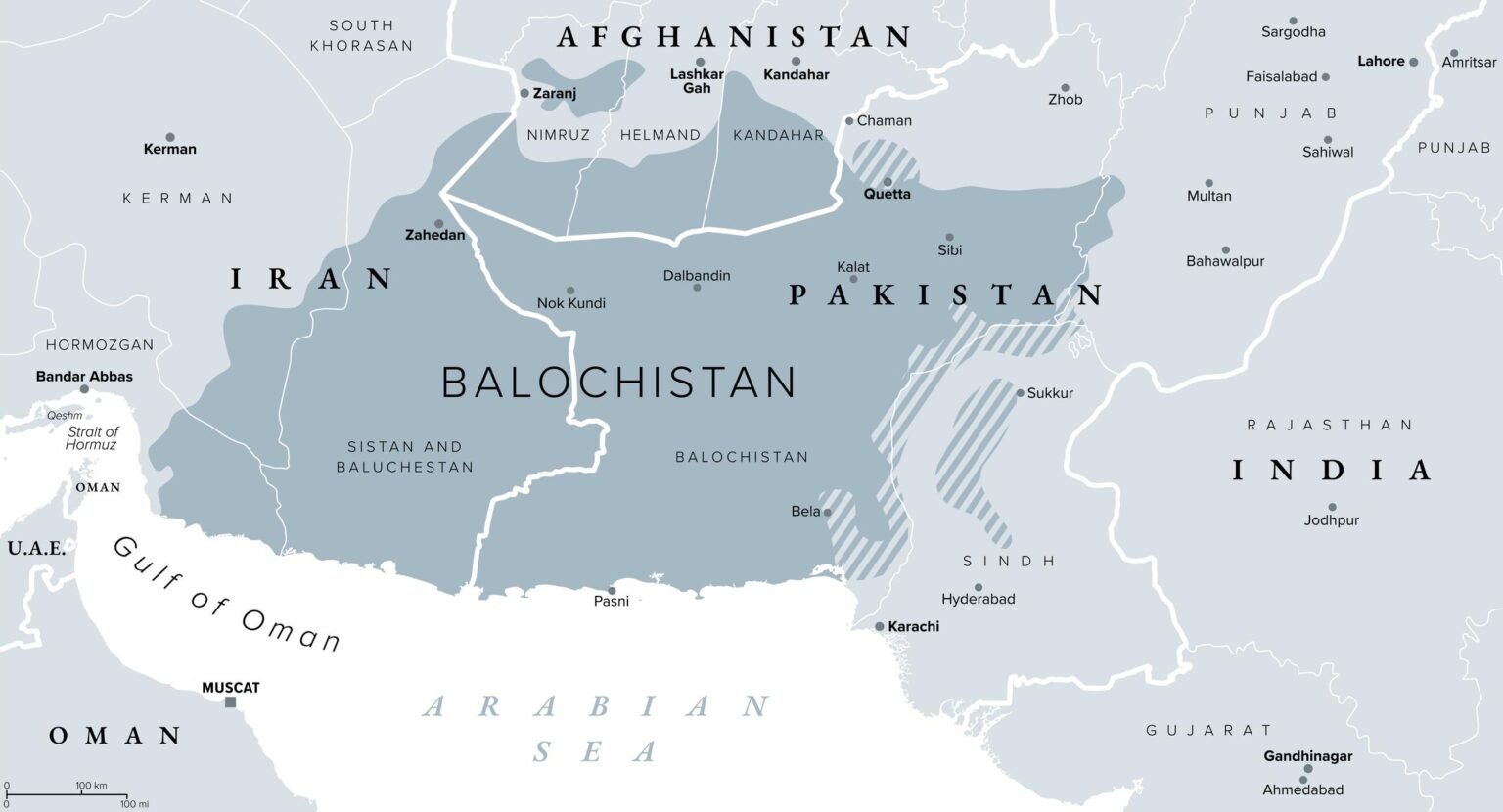

Violence escalated sharply in Pakistan’s Balochistan province over the past two days, with separatist militants and Pakistani authorities issuing sharply conflicting accounts of casualties following a series of coordinated attacks across multiple locations.
The Balochistan Liberation Army (BLA) claimed responsibility for the assaults, stating that more than 200 Pakistani security personnel were killed in what it described as a large-scale, multi-site operation. Pakistani officials, however, have rejected the claim, reporting significantly lower losses and asserting that dozens of militants were killed during subsequent counter-operations.
Coordinated Attacks Across Multiple Districts
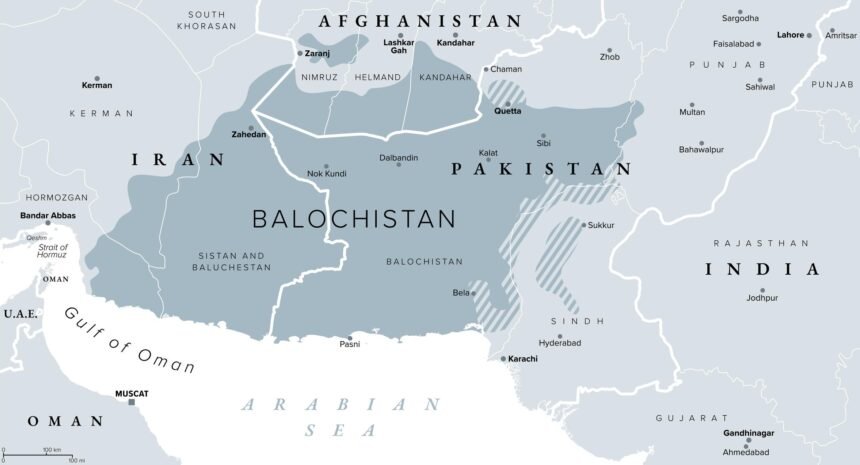
According to statements released by the BLA, the attacks unfolded over nearly 40 hours and targeted military convoys, intelligence facilities, and security checkpoints in districts including Gwadar, Noshki, Turbat, and surrounding areas.
The group said it employed a mix of roadside improvised explosive devices (IEDs), vehicle-borne explosives, and suicide attackers, striking multiple locations within short time intervals to limit the ability of security forces to respond.
Pakistani authorities have acknowledged that attacks occurred at several sites but have not confirmed the scale described by the militants.
Conflicting Casualty Claims
Casualty figures remain highly contested:
- BLA claims: Over 200 Pakistani military and security personnel killed
- Pakistani officials: At least 17 security personnel killed, along with civilian casualties
- Pakistani military: Between 90 and 145 militants killed in counter-operations
Independent verification has not been possible due to restricted access to the affected areas and ongoing security operations.
Analysts note that such discrepancies are common in insurgency-related conflicts, where information warfare plays a central role.
Reports of Female Suicide Attackers
In a notable development, BLA statements indicated the involvement of female suicide attackers, a tactic rarely associated with Baloch insurgent groups in the past. The group released images and names it claimed were linked to the operation, though these assertions have not been independently confirmed.
Security experts say the use of female attackers, if verified, would mark a tactical shift aimed at bypassing checkpoints and drawing international attention to the insurgency.
Pakistan Launches Counter-Operations
Following the attacks, Pakistan launched large-scale counter-insurgency operations, involving the army, Frontier Corps, and intelligence agencies. The military said it was conducting search-and-clear missions across several districts to dismantle militant networks.
Pakistani officials have characterised the violence as externally sponsored, alleging cross-border involvement without providing public evidence. India was specifically named in official statements.
India Rejects Allegations
India’s Ministry of External Affairs dismissed the accusations, calling them “baseless and frivolous” and stating that Pakistan should address its internal challenges rather than deflect responsibility.
New Delhi has consistently maintained that unrest in Balochistan is rooted in domestic political and economic grievances rather than external interference.
Strategic Implications
Balochistan remains Pakistan’s largest but least developed province, rich in natural resources and home to key infrastructure projects, including segments of the China–Pakistan Economic Corridor (CPEC) and the strategic Gwadar port.
Persistent instability has raised concerns about investor confidence, security costs, and the long-term viability of large-scale development projects in the region. Analysts warn that sustained violence could further strain Pakistan’s internal security apparatus amid existing economic and political pressures.
Information War Continues
With access to conflict zones limited and narratives sharply polarised, the full scale and impact of the recent violence remain unclear. What is evident, however, is that Balochistan continues to be a flashpoint with regional implications, as militant activity, state responses, and diplomatic tensions intersect.
Further developments are expected as security operations continue and additional information emerges.