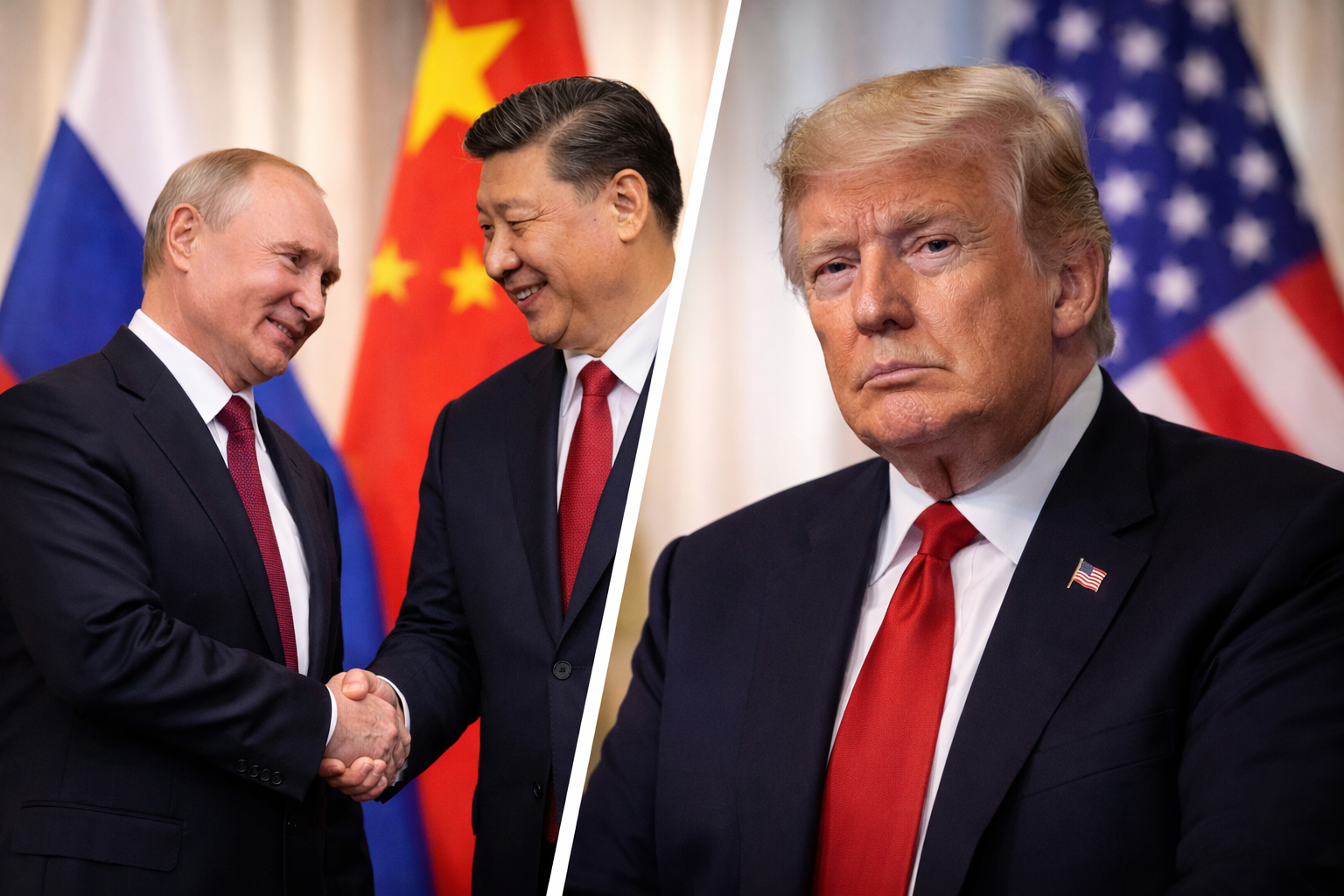

The expiration of the New START treaty has left the United States and Russia without formal limits on their strategic nuclear arsenals for the first time in more than two decades. President Donald Trump says he wants to replace the lapsed pact with a “better” and more modern agreement—one that would also include China.
But former negotiators and nuclear policy experts warn that bringing Beijing into a three-way deal could dramatically complicate talks, potentially prolonging a period with no legally binding restraints on the world’s most powerful nuclear forces.
The End of New START
New START, signed in 2010, capped deployed strategic nuclear warheads at 1,550 each for the US and Russia and established an extensive system of inspections and data-sharing. Its expiration removes those verification mechanisms, raising fears of miscalculation, secrecy and a renewed arms race.
While Washington and Moscow have indicated interest in informal arrangements to avoid an immediate buildup, such stopgap measures would lack the transparency and enforcement of a formal treaty.
“This is a dangerous moment,” said former US negotiators, noting that arms control regimes typically take years—not months—to design and ratify.
Why China Changes Everything
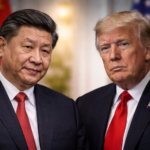
Trump’s push to include China reflects a shifting global nuclear balance. Beijing’s arsenal is far smaller than those of the US and Russia, but it is expanding rapidly. According to independent estimates, China currently holds around 600 nuclear warheads, a number expected to grow significantly by the end of the decade.
China has repeatedly said it will not join arms control talks until Washington and Moscow reduce their arsenals to much lower levels. That stance puts Trump’s vision of a trilateral deal at odds with Beijing’s long-standing position.
As Russia deepens strategic ties with China amid the war in Ukraine, analysts say Moscow may also see advantages in delaying a comprehensive agreement.
A Risky Diplomatic Bet
Trump has framed nuclear arms control as part of a broader peacemaker agenda, arguing that existing treaties were poorly negotiated and outdated. He has suggested that starting from scratch could yield a more durable framework for the future.
Yet critics caution that dismantling an established system without a clear replacement risks years of uncertainty. Verification rules—arguably the backbone of arms control—are among the most complex elements to negotiate and cannot be improvised quickly.
“Without inspections, trust erodes fast,” one former US official said, warning that political assurances alone may not be enough to prevent escalation.
What’s at Stake
The US and Russia together control nearly 90% of the world’s nuclear warheads. With no treaty in force, both sides are technically free to expand their deployed forces, modernise delivery systems and reduce transparency—all while tensions over Ukraine, Nato and global alignments remain high.
Regional allies are watching closely. European governments, in particular, fear that the absence of guardrails could revive Cold War-style nuclear brinkmanship, especially as there is no treaty limiting shorter-range tactical nuclear weapons.
The Road Ahead
The White House has signalled flexibility, suggesting parallel tracks of talks—one with Russia and another with China—could be explored. Whether that approach leads to a comprehensive framework or simply prolongs negotiations remains unclear.
For now, decades of nuclear arms control architecture hang in the balance. Trump’s gamble is that a bold reset will deliver a stronger deal. The risk is that, without New START, the world enters a prolonged period where nuclear restraint depends less on rules—and more on political calculation.